
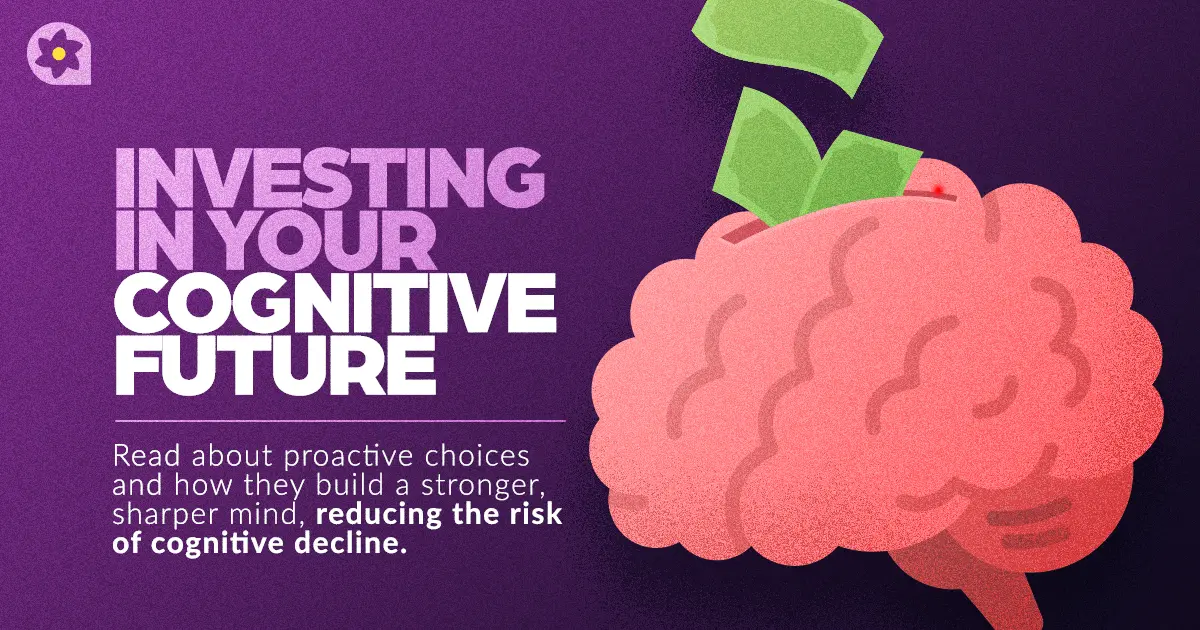
This June, as we observe Alzheimer’s and Brain Health Awareness Month, it’s the perfect opportunity to reflect on the incredible power of the brain and commit to nurturing its health. Just as we plan for financial security, dedicating time and effort to our cognitive health is perhaps the smartest move you can make for a fulfilling future. This isn’t just about preventing disease; it’s about optimizing your brain’s potential, ensuring clarity, focus, and vitality for years to come. Continue reading for tips on how to optimize your brain health.
Keeping Your Brain Young
Your brain is your command center. It’s responsible for every thought, memory, emotion, and action. A healthy brain allows you to learn new skills, adapt to change, maintain relationships, and enjoy a vibrant quality of life. Cognitive decline can significantly impact your independence and well-being. Investing in your cognitive future means taking proactive steps to nourish, challenge, and protect this vital organ, giving you a better chance at living a long, sharp, and fulfilling life.
The good news is that you don’t need to wait for signs of trouble to start investing in your brain. Many powerful, proactive choices can be integrated into your daily life. Think of these as deposits into your cognitive bank account.
Fuel Your Brain: Nutrition for Cognitive Function
What you eat directly impacts your brain. A diet rich in antioxidants, healthy fats, and vitamins can help protect brain cells and support optimal function. Focus on:
- Omega-3 Fatty Acids: Found in fatty fish (salmon, mackerel), walnuts, and flaxseeds, these are crucial for brain cell structure.
- Antioxidant-Rich Fruits and Vegetables: Berries, leafy greens (spinach, kale), and colorful produce combat oxidative stress.
- Whole Grains: Provide a steady supply of glucose, the brain’s primary fuel source.
- Limited Processed Foods and Sugar: These can lead to inflammation and negatively impact cognitive health.
Move Your Mind
Physical activity isn’t just good for your body; it’s phenomenal for your brain. Regular exercise increases blood flow to the brain, delivering oxygen and nutrients, and can even stimulate the growth of new brain cells. Aim for:
- Aerobic Exercise: Brisk walking, jogging, swimming, or cycling for at least 30 minutes most days of the week.
- Strength Training: Lifting weights as a part of your daily routine can help manage blood sugar and reduce inflammation.
- Balance and Flexibility: Low impact activities like yoga or Tai Chi can improve coordination and reduce stress.
Challenge Your Gray Matter
Just like muscles, your brain thrives on being challenged. Learning new things and engaging in mentally stimulating activities can help build cognitive reserve, a buffer against potential decline. Consider:
- Learning a New Language or Instrument: These activities create new neural pathways.
- Reading and Writing: Engage different parts of your brain.
- Puzzles and Brain Games: Sudoku, crosswords, and strategic board games can sharpen your mind.
- Volunteering or Engaging in Hobbies: Activities that require problem-solving and social interaction.
Connect For Cognition
Strong social connections are incredibly beneficial for brain health. Isolation can contribute to cognitive decline, while regular interaction helps keep your mind sharp and engaged.
- Spend Time with Loved Ones: Maintain active friendships and family bonds.
- Join Clubs or Groups: Pursue hobbies with others who share your interests.
- Volunteer: Give back to your community while staying socially active.
Rest and Recharge: Quality Sleep for Your Brain
Sleep is not downtime for your brain; it’s crucial repair time. During sleep, your brain clears out metabolic waste products and consolidates memories. Chronic sleep deprivation can impair cognitive function.
- Aim for 7-9 Hours of Quality Sleep: Establish a consistent sleep schedule.
- Create a Relaxing Bedtime Routine: Avoid screens before bed.
- Ensure a Dark, Quiet, Cool Sleep Environment.
Stress Less For Optimal Brain Function
Chronic stress can have detrimental effects on your brain, including shrinking areas critical for memory and learning. Finding healthy ways to manage stress is key.
- Practice Mindfulness or Meditation: These techniques can reduce stress hormones.
- Engage in Hobbies: Activities you enjoy can be great stress relievers.
- Spend Time in Nature: Even a short walk outdoors can calm your mind.
Start Investing Today for a Sharper Tomorrow
Investing in your cognitive future is an ongoing process, not a one-time event. By consistently making these proactive choices, you’re not just reducing your risk of cognitive decline; you’re actively building a stronger, sharper mind, allowing you to enjoy life to its fullest potential. Participating in clinical research for Alzheimer’s and other brain health conditions offers a powerful opportunity to advance medical understanding, access cutting-edge treatments, and directly contribute to a healthier future for generations to come.
Explore research opportunities with MyLocalStudy and see if you or your loved ones qualify to participate.