
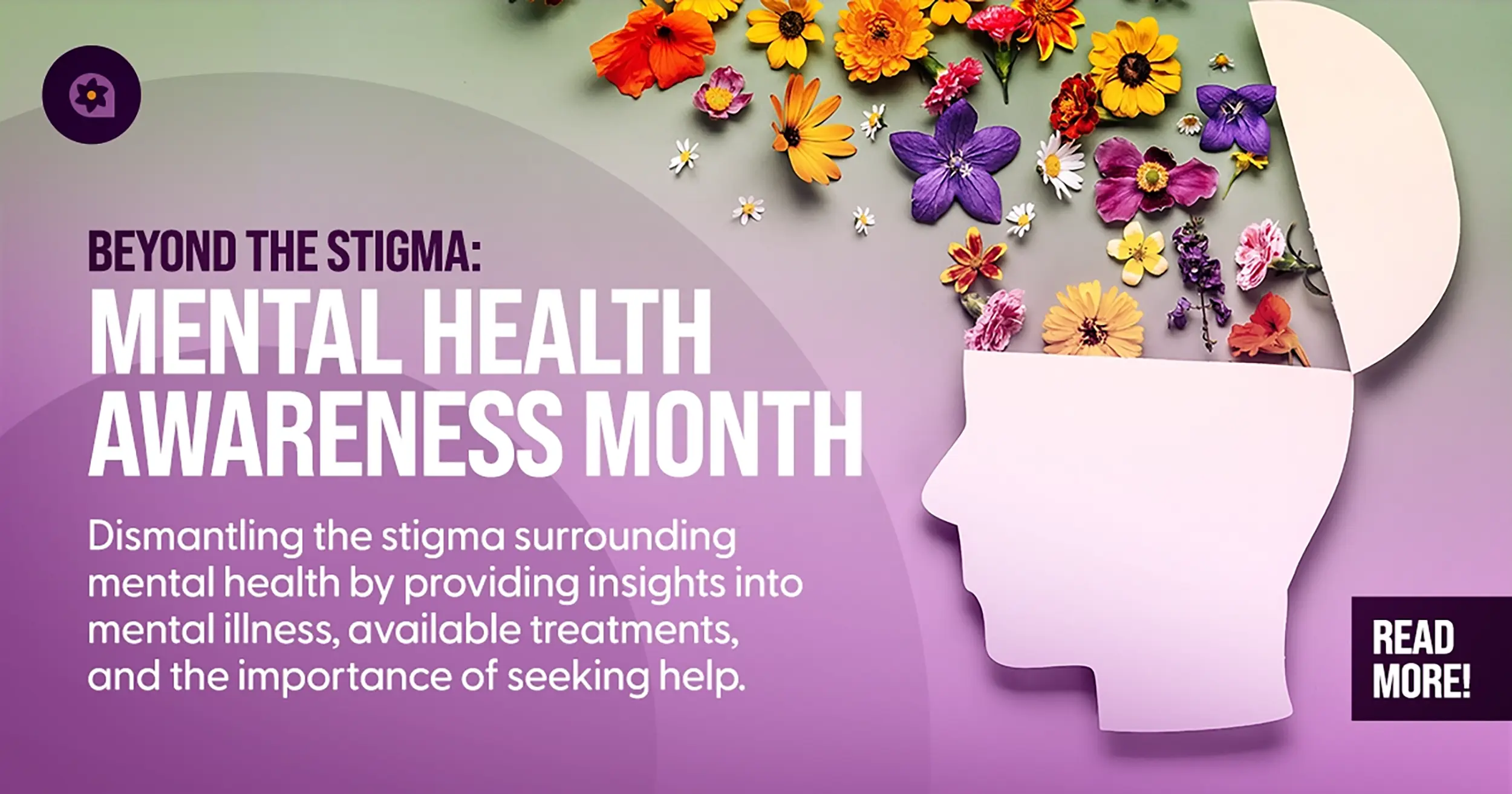
May is mental health awareness month, a time dedicated to shedding light on the often-misunderstood world of mental health and well-being. While conversations around mental health have become more prevalent in recent years, a significant hurdle remains – the stigma. This invisible barrier prevents countless people from seeking the help that could improve their lives, isolates them in their struggles, and perpetuates harmful misconceptions.
Stigma can manifest in many ways. It can show up as judgmental whispers behind someone’s back, the fear of professional repercussions for disclosing symptoms or a mental health condition, the belief that only certain kinds of people use professional mental health services, or the internalized shame that can prevent someone from acknowledging their own struggles. This negativity often stems from a lack of understanding about the complexities of mental illness, and a lack of education on the subject. The first step in destigmatizing discussions about mental health, is acknowledging that these conditions and symptoms are not character flaws or signs of weakness. They are medical conditions, often with biological, psychological, and social contributing factors, just like physical illnesses. Understanding mental illness starts with education. Depression isn’t simply feeling sad; it’s a persistent state of low mood and loss of interest that significantly impacts daily life. Anxiety disorders aren’t just occasional worries; they involve excessive fear and nervousness that can be debilitating. Schizophrenia is a complex brain disorder affecting a person’s ability to think, feel, and behave clearly. By learning about the diverse range of mental health conditions, their
symptoms, and their impact, we can move away from harmful stereotypes and move toward empathy. Effective treatments for mental illnesses exist. Therapy can provide individuals with tools and strategies to manage their symptoms and improve their quality of life. Medication, prescribed and monitored by qualified professionals, can also play a role in regulating brain chemistry and alleviating distress. The combination of treatment through therapy and medication has proven highly effective for many individuals.
When people feel safe to share their experiences without fear of judgment or discrimination, it encourages others to do the same. Sharing stories of recovery and resilience can be incredibly powerful in demonstrating that mental health challenges are not insurmountable, and that seeking help is a sign of strength, not weakness. We can all contribute to creating a more supportive environment by actively listening, offering empathy, and challenging stigmatizing language whenever we encounter it.
Mental health awareness month should serve as a reminder that mental well-being is an integral part of our overall health. Just as we prioritize physical health through exercise and regular check-ups, we must also prioritize our mental health through self-care, seeking support when needed, and fostering healthy coping mechanisms. Creating a society where mental health is valued and openly discussed benefits everyone, fostering stronger communities and allowing individuals to thrive.
Clinical research plays a vital role in developing new therapies and improving existing ones, advancing our understanding and treatment of mental health conditions. If you are interested in learning more about clinical research for mental health, MyLocalStudy can help connect you to active trials near you and keep you informed of future studies. Visit MyLocalStudy.com to explore current clinical trials and learn more about participating.