
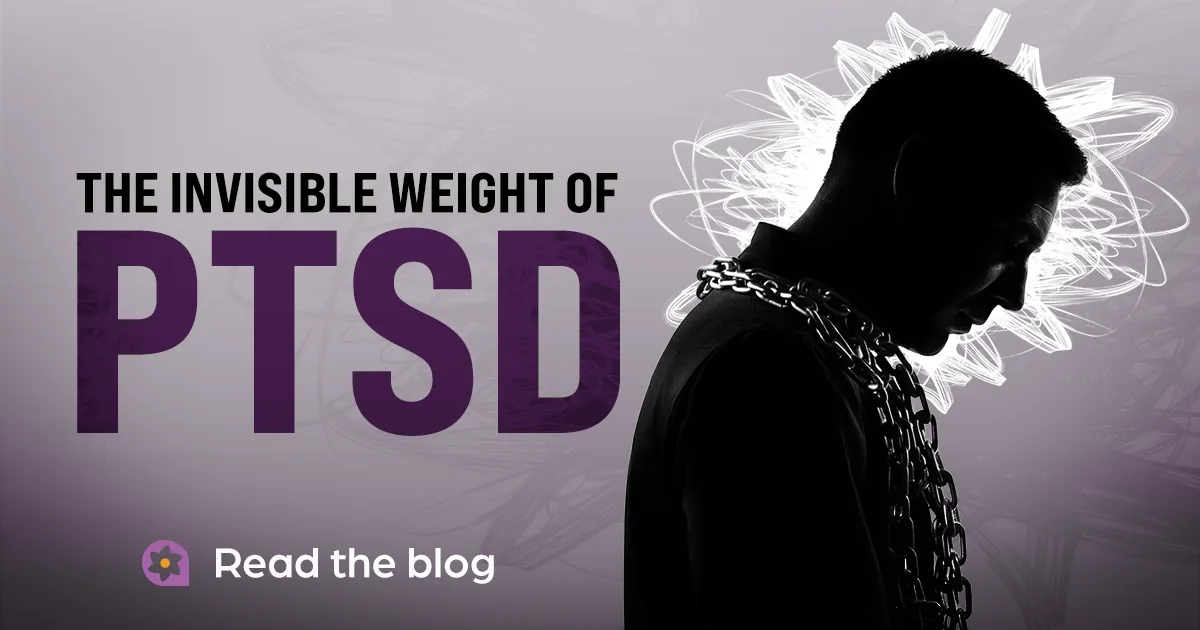
A PTSD Awareness Month breakdown of how trauma affects daily life, from sleep problems and anger to relationships and emotional withdrawal. Here is what PTSD can look like across different people and experiences, and why research into trauma and mental health continues to matter.
PTSD does not always look the way most people picture it. The condition can affect anyone, and the symptoms that show up are often mistaken for something else entirely, such as stress, exhaustion, a short temper, or just not feeling like yourself.
Here is what the condition actually looks like, and why it matters to talk about it.
What Is PTSD?
PTSD stands for post-traumatic stress disorder. It can develop after someone experiences or witnesses a traumatic event, including combat, a serious accident, abuse, violence, a medical crisis, sudden or traumatic loss, or any situation in which a person felt genuinely unsafe. It is classified as a mental health condition, and it is more common than most people realize.
Not everyone who goes through trauma develops PTSD. For those who do, it is not a character flaw or a sign of weakness. It is a condition with real, recognized symptoms, and it responds to treatment.
PTSD Can Show Up as Irritability or Anger
This surprises a lot of people. Irritability and sudden anger are actual PTSD symptoms, not separate problems or personality issues.
After trauma, the nervous system can stay on high alert. Ordinary frustrations, a loud noise, a disagreement, or a crowded space can trigger a reaction that feels completely out of proportion. That is a symptom, not a character flaw. Recognizing it as one is often the first step toward understanding what is actually going on.
The Connection Between PTSD and Sleep
Sleep problems are among the most consistently reported PTSD symptoms. Nightmares, waking up in the middle of the night, and difficulty falling asleep are all common. The body’s heightened state of alertness after trauma does not automatically switch off at bedtime. If you want to read more about how sleep and health intersect, explore the sleep health resources on MyLocalStudy.
Poor sleep compounds everything else. It affects mood, concentration, and the ability to manage stress, which makes other PTSD symptoms harder to handle. Sleep and mental health are both active areas of clinical research, and people experiencing trauma-related sleep difficulties may qualify for studies currently enrolling.
How PTSD Affects Daily Life and Relationships
PTSD tends to ripple outward. Emotional numbness makes it harder to feel present or connected to the people around you. Avoidance, staying away from places, conversations, or situations that feel tied to the trauma, can quietly limit daily life in ways that are difficult to explain.
People close to someone with PTSD often feel the effects before anyone has put a name to what is happening. Partners, family members, and friends may notice withdrawal or friction long before the person themselves connects it to trauma. That is common, and it does not mean those relationships are permanently damaged.
PTSD Is Treatable
Many people who live with PTSD improve significantly with the right support. Treatment may include therapy, medication, structured programs, or a combination of approaches depending on the person. Recovery does not look the same for everyone, and it often takes guidance from a mental health professional, but improvement is possible.
If you are curious about what getting involved in clinical research looks like as a complementary step, you can learn more about why people participate.
What tends not to help is ignoring symptoms and hoping they disappear on their own. When PTSD goes unaddressed, symptoms may become harder to manage over time. Reaching out to a doctor, therapist, or trusted mental health professional can be a meaningful first step.
Why PTSD Research Matters
Every treatment available for PTSD today came from research involving real people who chose to participate. That work is still going on.
Studies are actively recruiting for PTSD, anxiety, sleep disorders, depression, and related conditions. Some are looking for people with a specific diagnosis; many also need healthy volunteers who help researchers establish comparisons. Participation is voluntary, and many studies may offer compensation for your time, though specifics vary by study. If you are new to clinical research and wondering what the process looks like, this overview of how participation works is a good place to start. You can also read five reasons people choose to participate to understand what to expect.
Before enrolling in any study, participants go through an informed consent process that explains everything involved. You can browse current studies near you at MyLocalStudy and filter by condition and location.
The Bottom Line
Too many people brush off PTSD symptoms as stress, a bad attitude, or just not sleeping enough. Anger, poor sleep, emotional withdrawal, feeling constantly on edge. These things are worth paying attention to. PTSD Awareness Month is a good reason to take them seriously.
Explore Research Studies Near You
Clinical research studies covering PTSD, anxiety, sleep disorders, and other mental health conditions may be enrolling in your area. Participation is always voluntary, and many studies may offer compensation. Find a study near you at MyLocalStudy.com.
Frequently Asked Questions
What is PTSD Awareness Month?
PTSD Awareness Month is observed every June to encourage open conversations about trauma, reduce stigma, and connect people with information and resources.
Who can develop PTSD?
Anyone who has experienced or witnessed a traumatic event. This includes veterans, survivors of accidents, abuse, violence, and medical crises, as well as people who have experienced grief or significant loss.
What are the most common signs of PTSD?
Recurring memories or nightmares, emotional numbness, avoiding reminders of the trauma, irritability, and feeling constantly on edge or easily startled.
Can PTSD cause physical symptoms?
Yes. Sleep problems, fatigue, headaches, and a heightened startle response are all ways PTSD can show up physically. The body carries the effects of trauma alongside the mind.
Can healthy people participate in clinical research studies?
Yes, many studies actively recruit healthy volunteers. Explore opportunities near you at MyLocalStudy.com/find-a-study.